
 Dr. Ethan Caldwell

Three hours outside Cusco, I watched a strong, experienced trekker sit down on a rock and quietly admit he couldn’t see straight anymore. His group thought it was dehydration. The local guide suspected Acute Mountain Sickness within minutes. By sunset, a private evacuation team was coordinating transport off the trail, and the traveler’s biggest question wasn’t about oxygen tanks or medication — it was whether his altitude sickness coverage would actually pay for any of it.
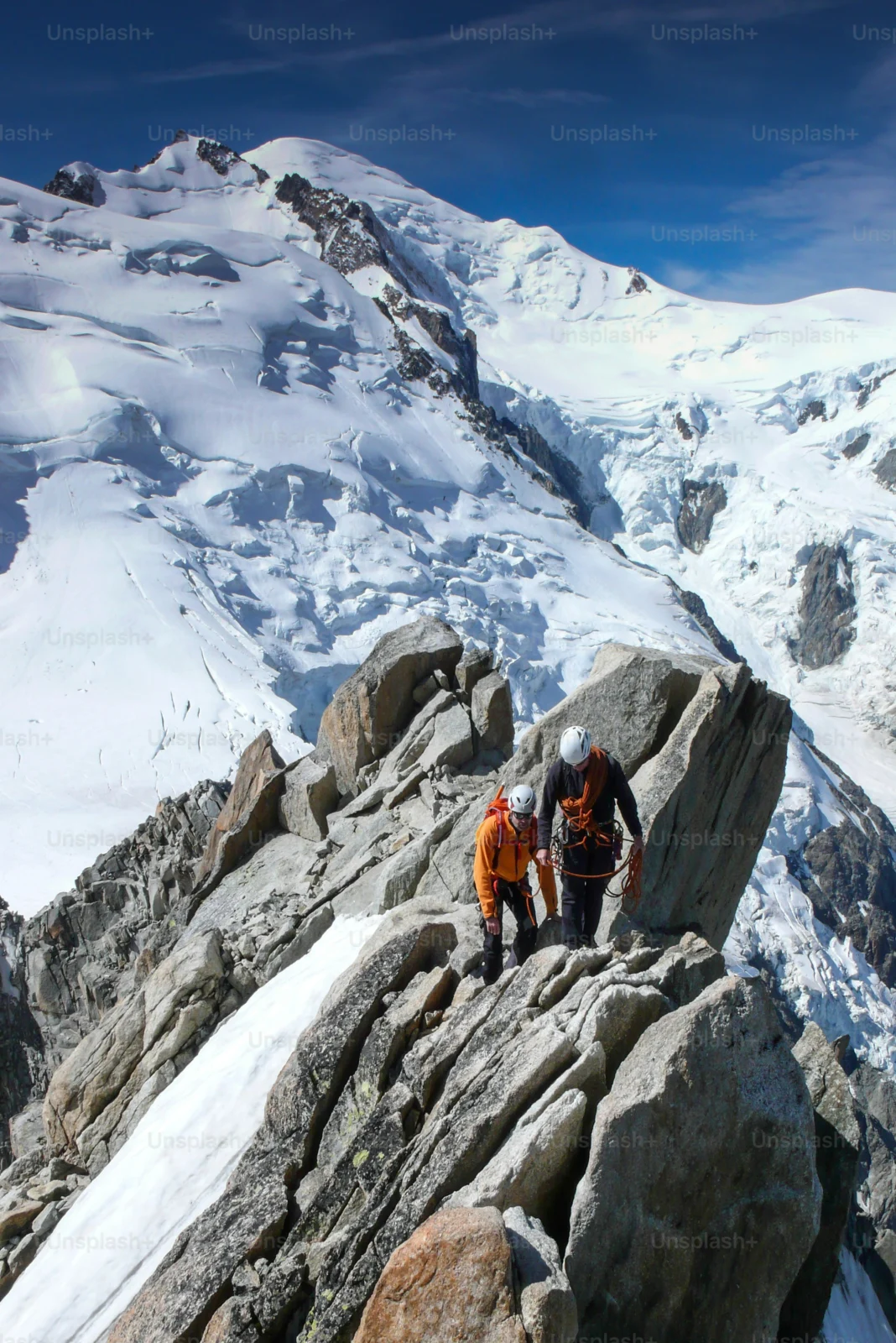
The $18,000 Helicopter Ride Nobody Planned For
Okay, so here’s the thing about high-altitude trekking insurance: most people buy it the same way they grab snacks at an airport. Fast. Distracted. Hoping they never need it.
That becomes a problem above 3,000 meters.
According to the Centers for Disease Control and Prevention, roughly 25% of travelers sleeping above 8,000 feet in Colorado experience symptoms of Acute Mountain Sickness. The percentage climbs even higher on rapid ascents in Peru and Nepal. And yeah, that matters more than you’d think when evacuation costs can hit five figures in a single afternoon.
I’ve seen travelers spend months planning routes through the Andes while spending maybe six minutes reading their policy wording. Been there? Fair enough. Insurance documents are about as fun as reading appliance manuals.
But here’s what most people miss: altitude sickness coverage usually exists inside broader emergency medical coverage. It’s rarely labeled clearly. Instead, insurers bury the important details inside activity exclusions, elevation caps, or evacuation conditions.
One traveler I worked with near Aconcagua assumed his policy covered “mountaineering.” Turns out, the insurer defined mountaineering as any trekking activity above 4,500 meters without a licensed guide. Claim denied. No, seriously.
That’s why specialized plans like the ones discussed in high-altitude travel insurance guides tend to matter so much more once you leave normal tourist routes behind.
What “Altitude Sickness Coverage” Actually Means in Real Policies
Most trekking insurance providers don’t exclude altitude illness outright. The catch is how they define the circumstances around it.
Think of insurance wording like seasoning food. A tiny clause changes the entire outcome.
Some policies cover:
- Emergency medical treatment for Acute Mountain Sickness (AMS)
- Hospital stays related to altitude complications
- Emergency descent coordination
- Medical evacuation trekking costs
Others quietly exclude:
- Treks above specific elevations
- Unguided expeditions
- Technical climbing sections
- Rescue operations unrelated to “medical necessity”
That last phrase causes more trouble than travelers realize.
For example, if you feel miserable at 5,200 meters but can still walk down with assistance, an insurer may classify the event differently than a helicopter extraction. Honestly? This part surprised even me the first time I reviewed South American expedition claims years ago.
Travelers researching best emergency medical insurance for trekkers usually focus on coverage limits. Smart move. But nine times out of ten, policy definitions matter even more than the dollar amount.
The Difference Between Mild AMS and Emergency Evacuation Claims
Not every altitude issue becomes an insurance event.
Mild Acute Mountain Sickness often looks like:
- Headache
- Nausea
- Fatigue
- Poor sleep
Most travelers recover after hydration, rest, and slower ascent. No claim needed.
Serious conditions like High Altitude Pulmonary Edema (HAPE) or High Altitude Cerebral Edema (HACE) are different entirely. These are medical emergencies. Fast descent becomes non-negotiable.
Here’s where it gets interesting.
Many insurers fully cover emergency evacuation for life-threatening high altitude illness insurance claims but limit reimbursement for preventative descents. So if a doctor says, “Get down immediately,” coverage improves dramatically compared to a guide simply recommending caution.
That distinction feels frustrating because mountains don’t wait for paperwork. Symptoms escalate fast. Sometimes within hours.
A lot of travelers planning Peru routes compare options through resources like top travel insurance for Machu Picchu hiking because the trek combines moderate altitude with remote rescue logistics. Solid idea, especially for first-time trekkers.
Why Some Insurers Treat High-Altitude Illness Like a Preventable Risk
Real talk: insurance companies hate preventable claims.
If an adjuster believes you ignored acclimatization advice, skipped rest days, or continued ascending with obvious symptoms, they may argue negligence contributed to the emergency.
And yes, they absolutely look at itineraries.
I once reviewed a denied claim involving a rapid ascent from Lima to Cusco followed by a same-day push toward Rainbow Mountain. The traveler developed severe symptoms overnight. The insurer pointed directly to the pace of ascent outlined in the booking records.
Harsh? Maybe. Common? More often than not.
That’s why Andes expedition travel insurance policies designed specifically for altitude exposure tend to include clearer language around acclimatization and evacuation triggers.
Quick heads-up: many travelers assume rescue coverage automatically includes helicopter extraction. It doesn’t. Search-and-rescue and medical evacuation are often treated like cousins, not twins.
The Fine Print That Denies More Trekking Claims Than People Expect
If you ask me, the sneakiest part of hiking insurance exclusions isn’t what policies say. It’s what travelers assume they mean.
Words like:
- “Expedition”
- “Technical ascent”
- “Remote trekking”
- “Adventure activity”
…can completely change your coverage status.
A standard travel insurance plan might happily cover a guided Inca Trail trek while excluding a nearby alpine route requiring crampons. Same country. Same week. Totally different underwriting category.
That’s why comparing Andes mountaineering vs standard insurance matters before booking anything above moderate elevation.
Spoiler: insurers care less about your Instagram caption and more about your exact route profile.
Common Hiking Insurance Exclusions Hidden in Adventure Policy Wording
Here are the usual suspects that trigger denied or reduced claims:
| Exclusion Type | Why It Matters |
|---|---|
| Elevation limits | Some policies stop coverage above 3,000m or 4,500m |
| Solo trekking clauses | Remote solo travel increases insurer risk |
| Technical equipment use | Ice axes, ropes, or crampons may trigger exclusions |
| Unlicensed operators | Non-certified guides can void claims |
| Delayed medical reporting | Waiting too long to seek help creates disputes |
What nobody tells you is that insurers often investigate evacuation timing. If symptoms began two days earlier and no medical contact was made, expect questions.
That’s one reason specialized wilderness rescue insurance explanations are worth reading before committing to major trekking routes.
Alcohol, Ignored Symptoms, and “Reckless Behavior” Clauses
Look, I get it. Nobody wants to hear that celebratory drinks in Cusco could affect a future claim.
But alcohol, dehydration, and rapid ascent create kind of a big deal at altitude.
Insurers sometimes invoke reckless behavior clauses if travelers:
- Ignore worsening symptoms
- Continue ascending against guide advice
- Combine illness symptoms with intoxication
- Refuse evacuation recommendations
Fair warning: the answer might surprise you. Even strong athletes get altitude sickness. Fitness helps less than people think.
According to research published in the journal High Altitude Medicine & Biology, prior athletic conditioning does not reliably prevent Acute Mountain Sickness. That catches a lot of trekkers off guard because they assume endurance training equals altitude tolerance.
And honestly? Mountains don’t care how many marathons you’ve finished.
Does Elevation Limit Matter More Than Destination?
A traveler heading to Patagonia at 2,500 meters may face fewer insurance complications than someone trekking independently at 5,300 meters near Everest Base Camp.
That’s because insurers usually price risk by:
- Elevation
- Remoteness
- Rescue access
- Technical difficulty
Not simply by country.
Think about it like airline baggage rules. Two suitcases can look almost identical until one crosses the weight limit and suddenly costs triple. Insurance works the same way once altitude thresholds kick in.
Resources covering best Andes trekking insurance plans often break down these elevation-based restrictions better than generic travel providers do.
And yeah, reading those details before departure is a legit easy win.
How Everest Base Camp Policies Differ From Inca Trail Coverage
The Inca Trail usually sits within the comfort zone of many adventure insurers because:
- Guided trekking is common
- Rescue access exists
- Elevation exposure is shorter
- Infrastructure is better established
Everest Base Camp? Different story.
Policies frequently require:
- Higher medical limits
- Explicit altitude riders
- Expanded evacuation coverage
- Specialized underwriting approval
Some even demand additional premiums above 5,000 meters.
That’s why many trekkers compare insurance for guided Inca Trail hikes separately from Himalayan expedition coverage instead of assuming one policy fits everything.
What Counts as “Technical Mountaineering” to Insurance Companies
Here’s where insurers and trekkers speak completely different languages.
A traveler might call a route “just a hike,” while an insurance underwriter sees:
- Fixed ropes
- Glacier crossings
- Ice axe use
- Exposure above certain grades
That changes everything.
One policy I reviewed classified any activity involving crampons as technical mountaineering, even on guided routes. Another allowed non-technical glacier travel up to 6,000 meters. Same region. Totally different risk model.
This is why comparing policies through resources like need adventure travel insurance for the Andes saves people from ugly surprises later.
And honestly? The phrase “trekking included” means almost nothing without definitions attached.
Medical Evacuation Trekking Coverage: What’s Usually Included?
Most good adventure policies split emergency support into three categories:
- Emergency medical treatment
- Medical evacuation trekking transport
- Search-and-rescue coordination
People mix these together constantly. Fair enough. The marketing language doesn’t exactly help.
A strong policy typically covers:
- Ground ambulance transport
- Emergency descent arrangements
- Hospital stabilization
- Air evacuation if medically necessary
- Transfer to appropriate care facilities
What it may not cover:
- Preventative helicopter exits
- Non-medical trip interruptions
- Rescue due to bad weather delays
- Evacuations after ignored warnings
Quick heads-up: “covered evacuation” doesn’t always mean “free helicopter.” Some providers reimburse later instead of paying operators directly upfront.
That can become a serious problem in remote areas where rescue teams want immediate payment.
I’ve watched trekking groups scramble to wire thousands of dollars from a satellite phone while waiting for extraction approval. No exaggeration.
That’s why dedicated backcountry medical evacuation insurance plans are often a better fit than standard vacation coverage once remote altitude routes enter the picture.
When Helicopter Rescue Is Covered — And When It Isn’t
Here’s the comparison most travelers actually need.
| Scenario | Likely Covered? | Why |
|---|---|---|
| Doctor orders emergency descent for HAPE | Usually Yes | Immediate medical necessity |
| Severe AMS requiring hospitalization | Often Yes | Medical treatment qualifies |
| Mild symptoms but traveler feels unsafe | Usually No | Considered precautionary |
| Rescue after entering restricted route | Often No | Policy violation |
| Guided trek evacuation from approved route | More Likely | Lower underwriting risk |
If you ask me, this is where specialized providers absolutely beat cheap generic plans. Hands down.
Budget insurers sometimes advertise evacuation coverage but quietly cap reimbursement at amounts nowhere near real helicopter costs in Peru or Nepal. A $15,000 limit sounds decent until the aircraft bill lands at $28,000.
For trekkers comparing best medical evacuation insurance for hiking, the smarter move is checking:
- Maximum evacuation benefit
- Altitude restrictions
- Pre-approval requirements
- Rescue coordination support
Not just price.
Think of it like buying boots for a glacier trek. Cheap boots technically cover your feet too. Doesn’t mean they belong on ice.
The Real Cost of High-Altitude Rescue in Peru and Nepal
People consistently underestimate rescue pricing in mountain regions.
According to the Himalayan Rescue Association and regional evacuation operators, helicopter extractions in Nepal regularly range from $4,000 to over $10,000 depending on weather, altitude, and distance. In remote Andean regions, private evacuations can climb even higher once logistics and medical personnel are added.
Here’s a rough breakdown:
| Rescue Type | Estimated Cost Range |
|---|---|
| Ground evacuation in Peru | $800–$3,000 |
| Helicopter rescue in Cusco region | $5,000–$18,000 |
| Everest region helicopter evacuation | $4,000–$12,000 |
| International air ambulance transfer | $25,000+ |
No, seriously. International transfers can cost more than the trip itself.
That’s why articles discussing international air ambulance insurance matter way more than travelers expect. Once a severe neurological or pulmonary complication develops, local stabilization may only be step one.
How to Check a Trekking Policy Before You Book Your Trip
Most travelers compare insurance like they’re shopping for headphones. Fast scan. Lowest price. Good enough.
That approach falls apart at altitude.
Here’s the simple process mountain guides and expedition coordinators use before approving clients for remote treks.
The 5 Policy Questions Experienced Guides Always Ask
- What is the maximum covered elevation?
Some policies quietly stop coverage at 3,000 or 4,500 meters. - Does the plan include emergency medical evacuation trekking support?
Look specifically for helicopter wording, not vague transport language. - Are guided and unguided treks treated differently?
This matters more than people think. - Does the insurer classify the route as mountaineering?
Especially important for glacier routes or alpine passes. - Is search-and-rescue included separately?
Big distinction here.
Honestly, this checklist is low-key one of the best ways to avoid denied claims before departure.
Travelers researching wilderness medical insurance often focus heavily on hospital limits while skipping activity definitions entirely. That’s backwards.
The activity classification usually decides whether the policy activates at all.

Why “Search and Rescue” and “Medical Evacuation” Aren’t the Same Thing
This confusion causes problems constantly.
Search-and-rescue covers locating and retrieving you.
Medical evacuation trekking coverage handles transporting you to treatment after retrieval.
That difference matters because some governments or national parks bill separately for rescue operations. Others don’t. Some insurers only reimburse one category.
A lot of trekkers heading into remote South American routes check guides like do you need rescue coverage in national parks because local rescue funding varies wildly between regions.
Here’s what most people miss: if weather traps rescuers for 18 hours before extraction, those extra operational costs may not automatically fall under medical benefits.
Insurance language gets weird fast in the mountains.
Cheap Trekking Insurance vs Specialized High Altitude Illness Insurance
Okay, so let’s pick a side here.
For serious high-altitude trekking? Specialized adventure coverage wins. Every time.
Cheap policies are fine for:
- City tourism
- Short low-altitude hikes
- Resort-based travel
- Basic trip cancellations
But once your itinerary includes remote trekking above 4,000 meters, generic plans become kind of like bringing a rain jacket into a blizzard. Technically protection. Practically limited.
Here’s the comparison travelers should actually care about:
| Feature | Cheap Standard Policy | Specialized Trekking Policy |
|---|---|---|
| Altitude illness coverage | Limited | Expanded |
| Elevation caps | Lower | Higher |
| Helicopter rescue | Often excluded | Commonly included |
| Glacier trekking | Rarely covered | Sometimes covered |
| Adventure activity clarity | Vague | Detailed |
| Rescue coordination | Minimal | Dedicated teams |
Not gonna lie — specialized coverage isn’t exactly cheap.
But neither is a helicopter.
One overlooked advantage is logistics support. Better insurers coordinate local operators, hospitals, and translators directly. That becomes a massive relief when you’re exhausted, hypoxic, and sitting in a mountain clinic trying to explain symptoms in broken Spanish.
Travelers looking into Andes expedition emergency evacuation coverage usually discover this pretty quickly once they compare policy response systems side by side.
What You Actually Get for Paying More
Higher-end trekking insurance often includes benefits people don’t even realize exist until they need them:
- Satellite communication support
- Field rescue coordination
- Emergency translation services
- Adventure sports riders
- Repatriation planning
And yeah, that matters more than you’d think when storms delay flights or local hospitals can’t stabilize severe altitude complications.
Here’s what the industry won’t say loudly enough: many premium policies aren’t selling reimbursement. They’re selling decision-making infrastructure during chaos.
That’s the real product.
It’s similar to hiring a mountain guide. You’re not just paying for someone to walk ahead on the trail. You’re paying for judgment under pressure.
Some trekkers also bundle gear-related protection through resources covering camera and drone insurance for adventure travelers, especially on photography-heavy expeditions where rescue delays can also expose expensive equipment to damage or theft.
Because once trips move into remote terrain, risks tend to stack together instead of appearing one at a time.
Mistakes Travelers Make Before High-Altitude Treks
The biggest problem usually starts before the trek even begins.
People rush acclimatization.
I get why. Vacation time is limited. Flights are expensive. Everyone wants to maximize trail days. But ascending too quickly at altitude is kind of like flooring the gas pedal on an icy road — sometimes nothing bad happens, and sometimes things go sideways fast.
One expedition coordinator in Huaraz told me he can often predict which clients will struggle before the first hike even starts. Travelers skipping hydration, landing late, partying hard the first night, then attempting aggressive elevation gain the next morning? Those are the usual suspects.
And no, elite fitness doesn’t magically protect you.
According to the Wilderness Medical Society, gradual ascent remains the single most effective prevention strategy for Acute Mountain Sickness. Not supplements. Not expensive gadgets. Time.
That’s one reason travelers comparing best wilderness medical insurance should also pay attention to trip pacing and acclimatization support instead of focusing only on policy limits.
Skipping Acclimatization Can Affect Claims More Than You Think
Here’s where things get uncomfortable.
Some insurers review itineraries during claim investigations. If they see:
- Rapid ascents
- Ignored guide recommendations
- Missed acclimatization days
- Prior symptoms before emergency escalation
…they may argue the risk was avoidable.
Honestly, it depends — but here’s how to tell whether your itinerary might raise concerns:
- Flying directly into high altitude and trekking same day
- Sleeping elevation jumps above 500 meters nightly
- No planned rest day above 3,000 meters
- Continuing after repeated AMS symptoms
That doesn’t mean claims automatically fail. Far from it.
But insurers absolutely look for patterns suggesting travelers ignored reasonable precautions. Fair enough, considering emergency rescue costs can spiral quickly.
One traveler near Ausangate admitted during paperwork that he continued ascending despite vomiting the previous evening because “the group didn’t want to lose a day.” His evacuation eventually got covered, but reimbursement delays dragged on for months.
This is why guides covering remote hiking insurance considerations keep stressing realistic pacing instead of macho summit culture.
What Nobody Tells You About Filing an Altitude Illness Claim
Real talk: the rescue itself is often easier than the paperwork afterward.
A solid altitude sickness coverage claim usually depends on documentation quality more than people expect.
Here’s what helps immediately:
- Doctor evaluations
- Oxygen saturation records
- Guide incident reports
- Evacuation invoices
- GPS or itinerary confirmation
- Communication timestamps
No, seriously. Save screenshots.
I’ve seen insurers question claim timing because travelers couldn’t prove when symptoms began or when evacuation requests were initiated. Satellite messenger logs ended up solving the dispute.
Documents, Medical Notes, and Evacuation Receipts You’ll Need
Short answer: yes, paperwork matters a lot more than most trekkers realize.
Keep these items organized before you leave the region:
| Document | Why It Matters |
|---|---|
| Hospital records | Confirms diagnosis severity |
| Guide statement | Verifies trek circumstances |
| Rescue invoices | Required for reimbursement |
| Passport entry stamps | Confirms travel timeline |
| Insurance hotline logs | Shows timely reporting |
| Medication receipts | Supports medical treatment costs |
Quick heads-up: some providers require notification within 24 hours of evacuation whenever possible.
That catches travelers off guard constantly.
One surprisingly smart move is photographing every receipt immediately instead of stuffing papers into backpacks. Rain, altitude fatigue, and chaotic transport days are brutal on physical documents.
Travelers preparing for remote trekking routes often compare backcountry emergency insurance coverage because claims logistics become dramatically harder once internet access disappears for several days.
And yeah, that matters more than you’d think.
Best Types of Policies for Andes and Himalayan Treks
If you ask me, the best policy isn’t necessarily the most expensive one. It’s the one matching your exact route profile.
A guided Inca Trail trek has very different rescue realities than:
- Cordillera Blanca expeditions
- Everest region trekking
- Patagonia alpine traverses
- Independent glacier routes
That’s why specialized plans discussed in high-altitude trekking insurance comparisons tend to separate trekking categories instead of treating all mountain travel the same.
Here’s the general breakdown:
| Trek Type | Best Insurance Style |
|---|---|
| Moderate guided trek below 4,000m | Standard adventure plan |
| Multi-day Andes trek above 4,500m | High-altitude rider recommended |
| Everest Base Camp | Specialized trekking policy |
| Glacier or alpine route | Mountaineering-specific coverage |
| Solo remote expedition | Expanded rescue + evacuation plan |
Look, I get it. Comparing insurance wording feels painfully boring compared to planning the actual trip.
But this is one of those “worth every penny” preparation steps that only feels optional until something goes wrong.
When a Standard Travel Plan Is Good Enough — And When It Isn’t
Okay so this one depends on a few things:
- Maximum altitude
- Remoteness
- Guided vs independent travel
- Technical terrain
- Rescue infrastructure nearby
A standard plan is often good enough for:
- Day hikes near tourist centers
- Lower-altitude guided routes
- Well-supported trekking circuits
It’s usually not enough for:
- Expeditions above 5,000 meters
- Glacier crossings
- Multi-day isolated routes
- Technical alpine trekking
Here’s what most people miss: rescue complexity matters just as much as altitude.
A 4,200-meter route with terrible evacuation access may actually carry higher insurance risk than a better-supported 5,000-meter trail near established rescue infrastructure.
Travelers comparing cheapest emergency evacuation insurance sometimes focus too hard on premiums while ignoring response coordination quality. That’s risky.
Because during a mountain emergency, speed matters more than savings.
The Insurance Gray Area Most Travelers Never See Coming
There’s one weird middle zone insurers rarely explain clearly.
Symptoms start gradually. Maybe a headache. Maybe nausea. Maybe dizziness after dinner at altitude. You continue trekking because it still feels manageable.
Then things deteriorate overnight.
Was the emergency sudden? Or did symptoms begin earlier?
That distinction can shape how adjusters evaluate claims later.
Honestly? This is where experienced guides and wilderness medicine teams become incredibly valuable. They document symptom progression properly and know when a normal acclimatization issue crosses into medical territory.
A lot of trekkers preparing for South American expeditions browse resources about wilderness medicine and rescue coverage because medical decision-making above 4,000 meters gets nuanced fast.
Mountains rarely produce neat textbook emergencies.
Frequently Asked Questions
Does standard travel insurance cover altitude sickness?
Short answer: yes. But here’s the nuance most people miss. Many standard travel policies cover basic altitude sickness coverage if the trek stays within approved elevation and activity limits. The problem starts when routes become remote, technical, or exceed altitude caps buried in the policy wording. Always check the adventure activity section before assuming you’re protected.
At what altitude do insurance restrictions usually begin?
Most restrictions begin somewhere between 3,000 and 4,500 meters, depending on the insurer. Some providers allow trekking above that range only with upgraded adventure riders or mountaineering add-ons. Fair warning: the answer might surprise you because even non-technical hikes can trigger exclusions once elevation thresholds are crossed.
Will insurance pay for helicopter evacuation during altitude sickness?
Usually, yes — if medical necessity is documented clearly. Insurers generally want confirmation from a licensed doctor, rescue physician, or recognized medical provider before approving expensive helicopter extractions. A precautionary descent without severe symptoms may not qualify the same way.
Can a claim be denied if I ignored altitude sickness symptoms?
Great question — and honestly, most people get this wrong. Policies sometimes contain reckless behavior or negligence clauses that insurers may apply if travelers ignored worsening symptoms or guide recommendations. That doesn’t guarantee denial, but it can absolutely complicate reimbursement timelines and investigations.
Do guided treks improve insurance coverage chances?
Nine times out of ten, yes. Guided routes often reduce insurer risk because certified operators follow safety protocols, monitor symptoms, and coordinate rescue logistics faster. Some high altitude illness insurance policies even require licensed guides above certain elevations or on glacier terrain.
How much medical evacuation trekking coverage should I carry?
For major Andes or Himalayan trekking routes, many experienced guides recommend at least $100,000 in evacuation and emergency medical benefits. International air ambulance transfers alone can exceed $25,000 depending on location and severity. More remote expeditions may justify even higher limits.
Is altitude sickness considered a pre-existing condition?
Usually not, unless you already have diagnosed pulmonary or cardiovascular conditions affecting altitude tolerance. Acute Mountain Sickness develops from environmental exposure rather than existing illness in most cases. Still, travelers with prior high-altitude complications should review policy exclusions carefully before departure.