
 Dr. Ethan Caldwell

Three hours outside Huaraz, I watched a British trekker try to argue with a satellite phone operator while shivering under a rescue blanket at nearly 4,800 meters. His insurance company had approved “medical treatment” but not the mule evacuation needed to get him off the mountain safely. That single wording issue delayed help for hours. And yeah, that matters more than you’d think when oxygen feels like someone cut your lungs in half. The truth is, most people shopping for the best-andes-trekking-insurance-plans focus on price first and altitude details second. Been there? That order usually backfires.
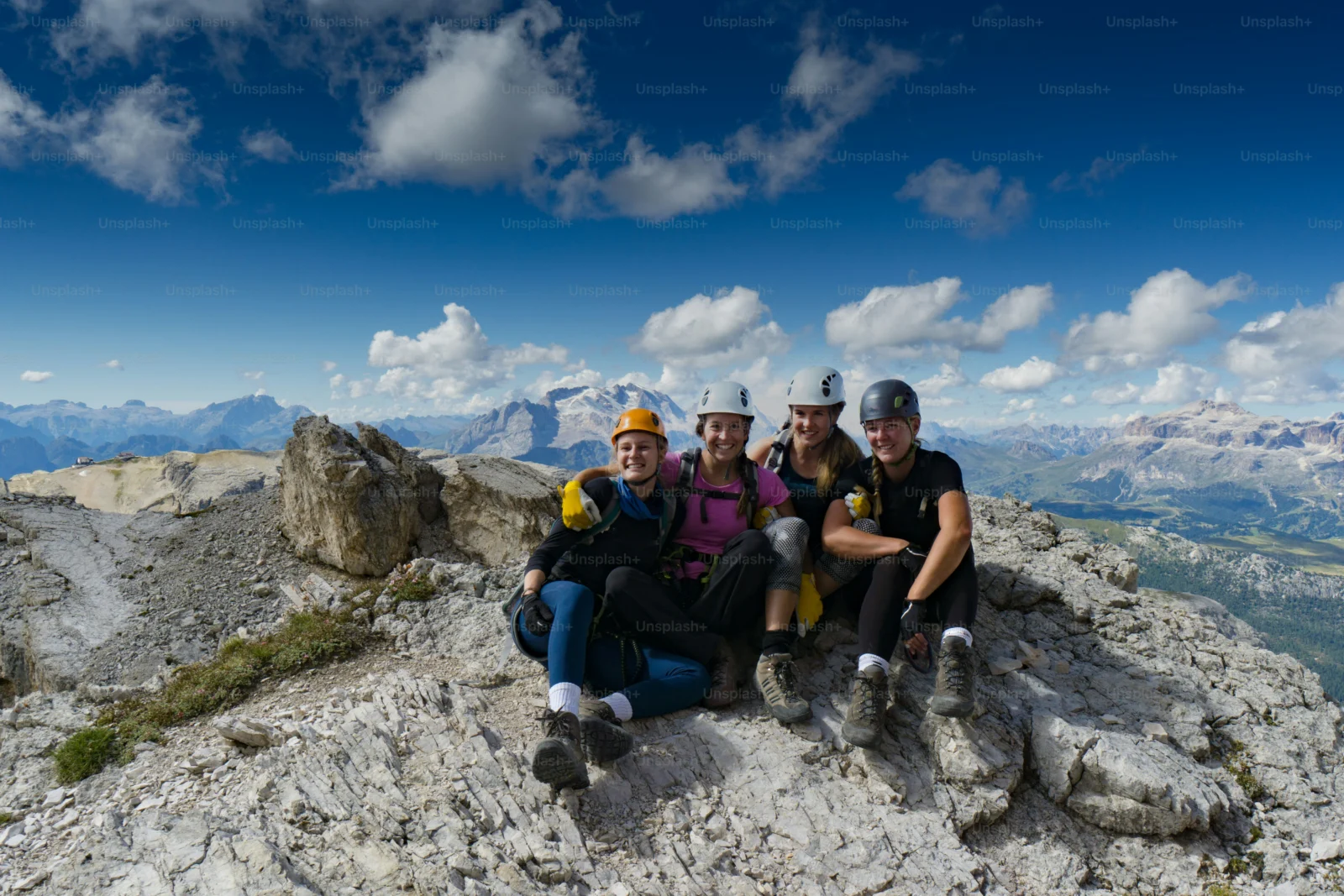
Why Standard Travel Insurance Fails on Andes Treks More Often Than Travelers Expect
Here’s the thing… a regular travel insurance plan might cover a sprained ankle in Lima or a stolen backpack in Santiago. But once you head into serious altitude territory, the rules change fast.
A lot of travelers assume “adventure sports included” means they’re covered everywhere. Not exactly. Many standard policies quietly exclude trekking above certain elevations — commonly 3,000 to 4,500 meters — unless you buy an adventure rider. That matters because routes like the Salkantay Trek, Huayhuash Circuit, and Aconcagua approaches all push well beyond those thresholds.
According to the International Society for Mountain Medicine, altitude illness can affect up to 50% of travelers sleeping above 3,500 meters if acclimatization is rushed. That statistic alone should make anyone rethink bare-bones coverage. More often than not, the problem isn’t the injury itself. It’s the cost of getting rescued from somewhere helicopters struggle to reach.
One of the better breakdowns I’ve seen on altitude-specific protection comes from this guide on choosing high-altitude travel insurance. It explains why evacuation wording matters way more than flashy marketing phrases.
Altitude Clauses, Evacuation Caps, and the Fine Print Nobody Reads
Real talk: insurance companies love technical wording. Travelers usually don’t.
That gap creates problems.
Some plans technically include “emergency evacuation” but cap it at $25,000. Sounds decent until you realize a fixed-wing air ambulance from Cusco to Miami can exceed six figures depending on medical staffing and weather delays. Think of it like bringing a compact umbrella into a hurricane — technically protection, practically useless.
Here are the usual trouble spots hidden in policy wording:
- Maximum altitude exclusions
- Non-guided trekking limitations
- Rescue coordination fees
- Delayed evacuation approvals
What nobody tells you is that rescue logistics in the Andes are often improvised. In Peru and Bolivia especially, local operators may demand payment guarantees before transport even begins. Nine times out of ten, travelers only discover that after someone’s already sick.
If you’re comparing plans, this deep dive into Andes mountaineering versus standard insurance is a solid place to start.
Real Example: What Happens When a Cusco Evacuation Bill Lands in Your Inbox
A few years back, I helped review a rescue claim involving a Canadian trekker near Ausangate. Severe HAPE symptoms. Oxygen saturation dropped hard overnight. Local guides organized horse extraction first, then vehicle transfer back toward Cusco.
The medical side went smoothly.
The insurance side? Absolute mess.
His insurer classified the horse evacuation as “non-medical transport.” The traveler ended up fighting over roughly $4,700 in costs after the trip. Fair enough, the insurer eventually reimbursed part of it, but only after months of paperwork and physician documentation.
That case changed how I personally look at Andes trekking insurance. Rescue isn’t always dramatic helicopter footage. Sometimes it’s horses, porters, dirt roads, and six terrible hours bouncing through mountain switchbacks.
How to Choose the Best-Andes-Trekking-Insurance-Plans Without Overpaying
Look, I get it. Nobody wants to spend hundreds extra on insurance after already paying for flights, permits, gear, and guides.
But there’s a difference between smart budgeting and fake savings.
The best-andes-trekking-insurance-plans usually balance four things well:
- High medical evacuation limits
- Clear altitude coverage wording
- Reliable emergency coordination
- Fast claims handling outside major cities
That’s it. Fancy add-ons are secondary.
One mistake I see constantly? Travelers buying mountaineering-level coverage for moderate trekking routes they’ll never technically classify as climbing expeditions. If your route doesn’t involve ropes, glacier travel, or technical ascents, you may not need elite alpine policies.
On the flip side, skimping on rescue coverage for remote Peru or Patagonia trips is kind of a big deal.
This guide on whether you really need adventure travel insurance for the Andes explains the risk tiers surprisingly well without overcomplicating things.
The 5 Coverage Limits That Matter More Than “Adventure Sports Included”
Spoiler: “covered activities” alone tells you almost nothing useful.
Instead, pay attention to these numbers:
| Coverage Area | Recommended Minimum |
|---|---|
| Emergency Medical | $100,000 |
| Emergency Evacuation | $250,000 |
| Search & Rescue | $25,000 |
| Trip Interruption | $5,000 |
| Gear Protection | $2,500+ |
Those numbers aren’t random. They reflect the reality of operating in remote mountain regions where transportation gets expensive fast.
And honestly? This part surprised even me years ago: search-and-rescue coverage is sometimes separate from medical evacuation. A helicopter might locate you, but the transport afterward could fall under another category entirely.
That’s why reading about wilderness rescue insurance explained before booking anything is totally worth it.
Medical Evacuation vs Rescue Coverage: Not the Same Thing
People mix these up constantly.
Search and rescue covers locating and reaching you. Medical evacuation covers transporting you to appropriate treatment afterward. Two different buckets. Two different billing systems.
Think of it like towing a broken-down car versus repairing it at the garage. Both matter. Different costs though.
Here’s where it gets interesting. Some insurers bundle both protections cleanly. Others split them into separate limits buried across multiple pages of policy wording.
If you’re planning remote routes, especially independent trekking, this article on backcountry emergency insurance coverage explains the differences in plain English.
Andes Trekking Insurance: What Coverage You Actually Need for Multi-Day Expeditions
Not every Andes expedition carries the same risk profile. A guided Inca Trail trek isn’t remotely comparable to unsupported Huayhuash hiking in wet season conditions.
That’s why cookie-cutter insurance recommendations usually fall apart.
For most travelers preparing for multi-day Andes expeditions, I’d prioritize:
- Altitude illness treatment
- Emergency extraction logistics
- Trip delay protection
- Gear loss coverage
- 24/7 multilingual emergency response
Simple. Focused. Good enough for most people.
Travelers bringing expensive camera kits or drones should pay extra attention here too. Cold temperatures, rough transport, and sudden storms are brutal on electronics. The guides at travel insurance for photography equipment add-ons and adventure camera insurance protection explain those gaps better than most insurers do themselves.
Trekking, Mountaineering, Glacier Travel, and Guided Expeditions Compared
This is where policy categories start getting weird.
Some insurers classify crampon use as mountaineering. Others don’t. Some allow glacier crossings only with certified guides. A few exclude climbs above certain elevations regardless of guide status.
Here’s a quick breakdown:
| Activity Type | Typical Insurance Classification |
|---|---|
| Inca Trail Trek | Standard Adventure Trekking |
| Salkantay Trek | High-Altitude Trekking |
| Huayhuash Circuit | Remote Expedition Trekking |
| Aconcagua Summit | Mountaineering |
| Patagonia Ice Crossings | Glacier / Technical Travel |
No, seriously. Tiny wording changes matter here.
If your expedition includes guides or organized operators, checking the best insurance for guided Inca Trail trips can help narrow down safer options faster.
When Altitude Sickness Coverage Becomes a Make-or-Break Detail
Altitude sickness sounds minor until it isn’t.
Mild AMS symptoms are common. HAPE and HACE are the scary ones. Those can become life-threatening within hours. According to the Wilderness Medical Society, immediate descent remains the primary treatment for severe altitude illness.
That’s why I always tell trekkers this: if a policy treats altitude sickness like a preventable condition instead of a medical emergency, walk away.
Seriously. Just skip it.
A surprisingly detailed resource on this topic is whether altitude sickness is covered by insurance. Worth reading before you commit to any Andes trekking insurance policy.
The tricky part is that once you understand how altitude clauses work, the next problem shows up fast: not all “adventure” insurance plans are built for the same kind of mountain travel. And that’s where travelers start overpaying — or worse, buying the wrong policy entirely.
The Best Andes Trekking Insurance Plans Compared Side by Side
Okay, so let’s talk about the usual suspects people compare before heading into the Andes: SafetyWing, World Nomads, IMG Signature, and Global Rescue.
All four can work. But they’re not equally good for high-altitude expeditions.
If you ask me, travelers often get distracted by brand recognition instead of checking how each plan handles evacuation coordination, altitude exclusions, and remote extraction logistics. That’s like choosing hiking boots based only on color. Looks nice. Won’t help much at 5,000 meters.
Here’s the quick comparison I’d give a friend before an Andes trip.
| Provider | Best For | Strength | Weak Spot | My Take |
|---|---|---|---|---|
| SafetyWing | Budget backpackers | Affordable long-term coverage | Lower evacuation limits | Good enough for moderate treks |
| World Nomads | General adventure travel | Broad activity coverage | Claims can be slower | Solid pick for most trekkers |
| IMG Signature | Serious medical coverage | High medical maximums | More expensive | Worth every penny for remote routes |
| Global Rescue | Rescue memberships | Elite evacuation coordination | Not full insurance alone | Hands down best rescue support |
Now here’s the non-obvious part most comparison articles skip: rescue coordination matters almost as much as payout limits.
A cheap insurer might technically reimburse you later but still leave your guides scrambling to organize transport in real time. That delay is a legit concern in the Andes where weather windows close fast.
For travelers prioritizing extraction logistics first, best medical evacuation insurance for hiking and international air ambulance insurance are useful reads before making any final decision.
SafetyWing vs World Nomads vs Global Rescue vs IMG: Which Plan Wins Where?
Here’s where it gets interesting.
World Nomads tends to be the best middle-ground option for travelers doing classic trekking routes like Salkantay, Torres del Paine, or guided Ausangate circuits. Activity coverage is broad enough for most people without forcing technical-expedition pricing.
SafetyWing works if you’re staying flexible across South America for months at a time and mainly sticking to lower-risk trekking itineraries. Budget travelers love it for a reason.
But for remote expeditions? I lean toward IMG or Global Rescue combinations.
Why?
Because once you’re several days from paved roads, response coordination becomes the whole game. Not just reimbursement. According to the Adventure Travel Trade Association, delayed evacuations remain one of the biggest operational challenges in remote mountain tourism worldwide.
And yeah, that tracks with what I’ve personally seen.
My Pick for Solo Trekkers, Guided Groups, and Technical Routes
If I had to pick sides clearly:
- Solo trekkers: IMG Signature
- Guided group treks: World Nomads
- Technical mountaineering: Global Rescue paired with medical coverage
- Budget backpacking routes: SafetyWing
Fair enough, there are exceptions. But nine times out of ten, that lineup works well.
Here’s what most people miss though: solo trekking changes the risk equation dramatically. Guided groups usually have emergency communication systems, local evacuation contacts, and medical screening procedures already in place.
Independent trekkers? You’re often the entire emergency plan.
That’s why articles like best search and rescue insurance for solo trekkers and best wilderness medical insurance deserve more attention than flashy influencer discount codes.
How to Match Your Insurance to Your Andes Route
Look, I get it. “The Andes” sounds like one giant category. It isn’t.
Conditions between Peru, Patagonia, Bolivia, Ecuador, and Argentina vary wildly. Some routes involve stable lodge-based trekking. Others feel more like controlled survival exercises.
That means your insurance should match the terrain you’re actually entering.
Inca Trail, Huayhuash, Aconcagua, and Patagonia: Different Risks, Different Policies
Here’s the simplified breakdown I normally give expedition clients:
| Route | Main Risk | Recommended Coverage Priority |
|---|---|---|
| Inca Trail | Altitude + crowd-related delays | Medical + trip interruption |
| Huayhuash Circuit | Remote evacuation difficulty | Rescue + evacuation |
| Aconcagua | Extreme altitude illness | High medical maximums |
| Patagonia Trekking | Weather disruption | Trip cancellation + evacuation |
The Inca Trail is relatively structured. Huayhuash absolutely is not.
Aconcagua deserves special attention because many insurers classify summit attempts separately from standard trekking. Some plans stop coverage above specific elevations even if you never technically climb.
Quick heads-up: always verify the exact maximum altitude written into the policy wording. Not the marketing page. The actual contract.
If you’re planning Peru specifically, top travel insurance for Machu Picchu hiking is a pretty practical resource. For more technical routes, Andes expedition travel insurance covers expedition-level considerations travelers often overlook.
Emergency Evacuation in the Andes: What Most Travelers Get Wrong
Most people imagine dramatic helicopter rescues straight off cliff faces.
Reality? It’s usually much messier.
Ground evacuations are far more common across the Andes because weather, terrain, and altitude make helicopter operations difficult. In parts of Peru and Bolivia, helicopters simply aren’t available fast enough outside military coordination.
That changes how your policy needs to work.
Real talk: a policy with mediocre rescue logistics but excellent reimbursement numbers can still create chaos during an actual emergency.
Helicopter Rescue, Ground Extraction, and Air Ambulance Explained in Plain English
Think of evacuation in three layers:
- Field extraction
- Transfer to local clinic
- Long-distance medical transport
Different providers may cover each stage differently.
For example, horse evacuations from remote valleys may count as “search and rescue” while ambulance transport into Cusco becomes “medical evacuation.” Then an international transfer home falls under “repatriation.”
Complicated? Absolutely.
And that complexity gets expensive fast.
According to data from Global Rescue, helicopter extractions in remote mountain regions can exceed $10,000 before hospital treatment even begins. Air ambulances cost far more.
That’s why I strongly recommend reading helicopter rescue insurance costs and Andes expedition emergency evacuation coverage before buying any policy.
The Coverage Amount I’d Personally Want Before Flying to Peru, Chile, or Argentina
Not gonna lie — my comfort threshold has gone up over the years.
Right now, for serious Andes trekking insurance, I personally want:
- $250,000+ evacuation coverage
- $100,000+ medical coverage
- Dedicated rescue coordination
- Explicit altitude wording
- Adventure trekking listed clearly
Anything below that starts feeling risky for remote multi-day expeditions.
And honestly, the difference in premium cost often isn’t massive. Sometimes upgrading from a weak plan to a genuinely solid option costs less than one nice dinner in Cusco.
What’s the point of saving $80 upfront if a rescue turns into a five-figure headache later, right?
A Simple 6-Step Checklist Before Buying Andes Trekking Insurance
Here’s the easy win most travelers skip: slowing down for ten minutes before checkout.
Use this checklist every single time.
- Verify maximum altitude coverage
- Confirm trekking and mountaineering definitions
- Check evacuation limits separately from medical coverage
- Read exclusions for solo travel and unguided routes
- Confirm electronics and gear reimbursement caps
- Save emergency contact procedures offline
Simple. But low-key one of the best habits you can build before expedition travel.
Travelers bringing camera kits or drones should also review best drone insurance for adventure travelers, international drone liability insurance, and best DSLR camera insurance for backpacking. Mountain weather is brutal on expensive gear.
Cheap Andes Trekking Insurance vs Premium Plans: Which One Is Actually Worth It?
Fair warning: the answer might surprise you.
Cheap plans aren’t always bad.
For shorter guided treks near established tourism infrastructure, budget-friendly Andes trekking insurance can be perfectly reasonable. Routes with reliable evacuation access and strong guide support reduce overall exposure dramatically.
But here’s where cheap plans often cut corners:
- Lower evacuation limits
- Slower claims processing
- Weak gear reimbursement
- Limited rescue coordination
- More exclusions for altitude-related illness
That last one matters a lot.
A surprisingly helpful breakdown on budget-focused coverage lives in cheapest Andes hiking insurance. Pair that with cheapest emergency evacuation insurance to compare where the savings actually come from.
Where Budget Plans Cut Corners — and When That’s Okay
If your trek looks like this:
- Guided route
- Moderate altitude
- Established emergency access
- Nearby medical facilities
…then a cheaper plan can honestly be good enough for most people.
But unsupported trekking in remote sections of Patagonia or Huayhuash? Different story entirely.
That’s where premium rescue coordination starts becoming totally worth it. Like carrying extra water in the desert, you may never need it — but when you do, nothing else matters.
Common Insurance Mistakes Adventure Travelers Make in the Andes
One of the fastest ways to ruin a trekking budget is paying for a rescue your insurance quietly excluded six months earlier.
And no, seriously, I’ve seen that happen more than once.
The frustrating part? Most of these mistakes are completely avoidable. Travelers usually aren’t reckless. They’re just rushed. Someone books flights, buys gear, grabs whatever insurance appears first on a comparison site, and assumes they’re covered because the homepage says “adventure travel included.”
That wording means almost nothing without context.
The Drone, Camera, and Gear Coverage Blind Spot
Here’s what most people miss: gear limits on travel insurance are often surprisingly low.
A mirrorless camera setup with lenses, batteries, filters, and a drone can easily exceed $5,000. Yet many Andes trekking insurance plans cap electronics reimbursement at around $500 to $1,500 per item.
Fair enough if you’re carrying a basic phone and compact camera. Different story for photographers, filmmakers, or travel creators.
Cold temperatures and rough transit don’t help either. I once watched a porter accidentally launch a hard-shell camera case off the roof of a colectivo outside Ollantaytambo. Brutal moment. Luckily, the traveler had specific gear coverage and documented serial numbers beforehand.
Simple habit. Huge difference.
If you’re traveling with expensive tech, outdoor photography insurance coverage, best action camera insurance for expeditions, and travel electronics protection are worth reviewing before departure.
Drone operators especially should pay attention to liability coverage. Local rules vary wildly across South America, and accidental property damage claims can escalate fast around tourism zones.
This is where adventure camera and drone insurance, cheapest travel drone insurance, and file a claim for lost camera gear become surprisingly practical resources instead of “nice extras.”
The Contrarian Take: You Probably Don’t Need the Most Expensive Policy
Okay, so here’s the part the industry doesn’t love talking about.
The highest-priced policy is not automatically the best-andes-trekking-insurance-plans option for your trip.
Sometimes travelers buy elite expedition coverage for relatively controlled trekking itineraries where a mid-range policy would’ve worked perfectly well. That’s like renting a snowcat to drive a paved road. Impressive maybe. Totally unnecessary though.
Here’s my general rule:
- Remote unsupported expeditions → premium rescue-focused plans
- Guided trekking routes → balanced mid-range coverage
- Urban-heavy South America travel with light hiking → budget plans can work
Simple framework. Easy win.
And honestly? The sweet spot for most travelers sits somewhere in the middle. Strong evacuation coverage. Clear altitude wording. Reasonable gear protection. Good emergency support. Done.
You don’t need every premium add-on under the sun.
That said, if you’re working as a guide, running outdoor trips, or organizing group expeditions, your insurance needs change dramatically. Commercial liability enters the picture fast.
That’s where resources like best insurance for professional mountain guides, adventure sports general liability insurance, and liability insurance for adventure tour operators start making a lot more sense.
Why Rescue Coordination Matters More Than Fancy Marketing
Here’s the thing…
The Andes don’t care how polished an insurance company’s Instagram ads look.
When weather collapses in Patagonia or someone develops HAPE above 4,500 meters, response speed becomes everything. A smooth rescue operation feels almost invisible. A bad one turns chaotic fast.
According to the International Climbing and Mountaineering Federation, delayed response times remain one of the biggest contributors to worsening mountain medical incidents globally.
And that tracks with field reality.
A strong emergency coordination team can:
- Contact local operators quickly
- Authorize extraction payments
- Arrange hospital transfers
- Communicate with families
- Coordinate air transport
Weak coordination leaves travelers and guides improvising under pressure. Been there? Not fun.
One of the better resources on this topic is backcountry medical evacuation insurance. Pair that with remote hiking rescue coverage and emergency evacuation protection if you’re planning isolated routes.
Sustainable Trekking, Eco-Lodges, and Why Insurance Is Quietly Changing
This part surprised even me over the past few years.
Insurance companies are paying more attention to sustainability risks in remote tourism operations. Eco-lodges, expedition operators, and conservation-focused trekking businesses now face climate-related disruptions that barely showed up in policy discussions a decade ago.
Flooding. Wildfire smoke. Glacier instability. Landslides.
These aren’t fringe risks anymore.
Travelers may not think about this directly, but it affects trip interruption policies, evacuation logistics, and operator reliability throughout the Andes.
If your itinerary includes eco-lodges or conservation-based tourism, sustainable tourism insurance for eco-resorts, climate risk insurance for remote lodges, and best insurance for eco-lodges in the mountains offer useful context on how the industry is evolving.
And yes, travelers absolutely feel the downstream effects.
What Experienced Trekkers Usually Carry Besides Insurance
Insurance matters. Preparation matters more.
Nine times out of ten, the safest trekkers I’ve worked around shared the same habits:
- Conservative acclimatization schedules
- Offline emergency contacts
- Backup payment methods
- Physical copies of policy documents
Nothing flashy. Just smart systems.
Think of insurance like a seatbelt. You still drive carefully because the real goal is never needing it in the first place.
For readers brushing up on altitude and mountain travel basics, the Wikipedia article on Wilderness Medicine offers a surprisingly useful overview of how mountain medical response actually works.
And if you’re still narrowing down coverage options, best emergency medical insurance for trekkers, rescue coverage for national parks, and high-altitude expedition insurance resources are solid next reads.
Frequently Asked Questions
Do I really need specialized Andes trekking insurance for Peru or Patagonia?
Short answer: yes. But here’s the nuance…
Standard travel insurance often excludes high-altitude trekking or remote evacuations unless you buy adventure-specific coverage. Routes like Huayhuash or Patagonia backcountry circuits involve rescue logistics that regular vacation policies were never built for. Even guided trips can trigger expensive evacuations if altitude illness or weather problems hit suddenly.
What altitude limit should my insurance policy cover?
Great question — and honestly, most people get this wrong.
For serious Andes trekking insurance, I’d personally look for coverage above 4,500 meters at minimum. Aconcagua climbers or technical expedition travelers may need policies covering 6,000 meters or more depending on the route. Always verify the exact wording in the contract because marketing pages sometimes oversimplify altitude rules.
Does Andes trekking insurance usually cover altitude sickness?
More often than not, yes — but only if the condition wasn’t pre-existing and the activity itself is covered under the policy.
That second part matters a lot. If your trek exceeds the insurer’s altitude limit or falls under excluded mountaineering definitions, claims can get messy quickly. Altitude sickness coverage details are worth reviewing before departure.
How much emergency evacuation coverage should I carry for the Andes?
Okay so this one depends on a few things…
For shorter guided routes near major tourism areas, $100,000 evacuation coverage may be acceptable. Remote multi-day expeditions? I strongly prefer at least $250,000. Air ambulance transfers alone can exceed six figures depending on distance and medical staffing requirements.
Can I buy insurance after arriving in South America?
Usually yes, although waiting creates problems sometimes.
Some insurers apply waiting periods before coverage activates. Others restrict benefits once travel has already started. Real talk: buying before departure is the safer move because you avoid activation confusion during emergencies.
Is drone and camera gear covered under Andes trekking insurance?
Fair warning: the answer might surprise you.
Many policies cap electronics reimbursement at relatively low amounts, often between $500 and $1,500 per item. Travelers carrying drones, mirrorless cameras, or professional lenses usually need additional protection. Photography equipment insurance add-ons can make a huge difference here.
What’s the best insurance option for solo trekkers in the Andes?
Solo trekkers generally benefit from stronger rescue coordination and higher evacuation limits because they lack group support systems.
In my experience, IMG Signature paired with dedicated rescue coordination services works very well for independent high-altitude travel. The key is making sure your policy clearly covers unguided trekking routes and remote extraction logistics.
Your Move: Buy the Policy for the Mountain You’re Actually Climbing
Look, I get it. Insurance isn’t the exciting part of planning an Andes expedition.
Nobody dreams about policy wording while staring at photos of Patagonia or Machu Picchu. But once you’ve watched real evacuations unfold at altitude, you stop treating insurance like a boring checkbox and start seeing it for what it really is: logistical backup when conditions go sideways.
The best-andes-trekking-insurance-plans aren’t necessarily the cheapest or the most expensive. They’re the ones built for the exact terrain, altitude, and isolation level you’re walking into.
That’s the mindset shift.
Match the policy to the mountain. Not the marketing.
And if you’ve had a rescue scare, gear claim disaster, or surprisingly good experience with Andes trekking insurance, drop your story in the comments because travelers learn a lot faster from real mountain mistakes than polished brochures ever will.