
 Dr. Ethan Caldwell

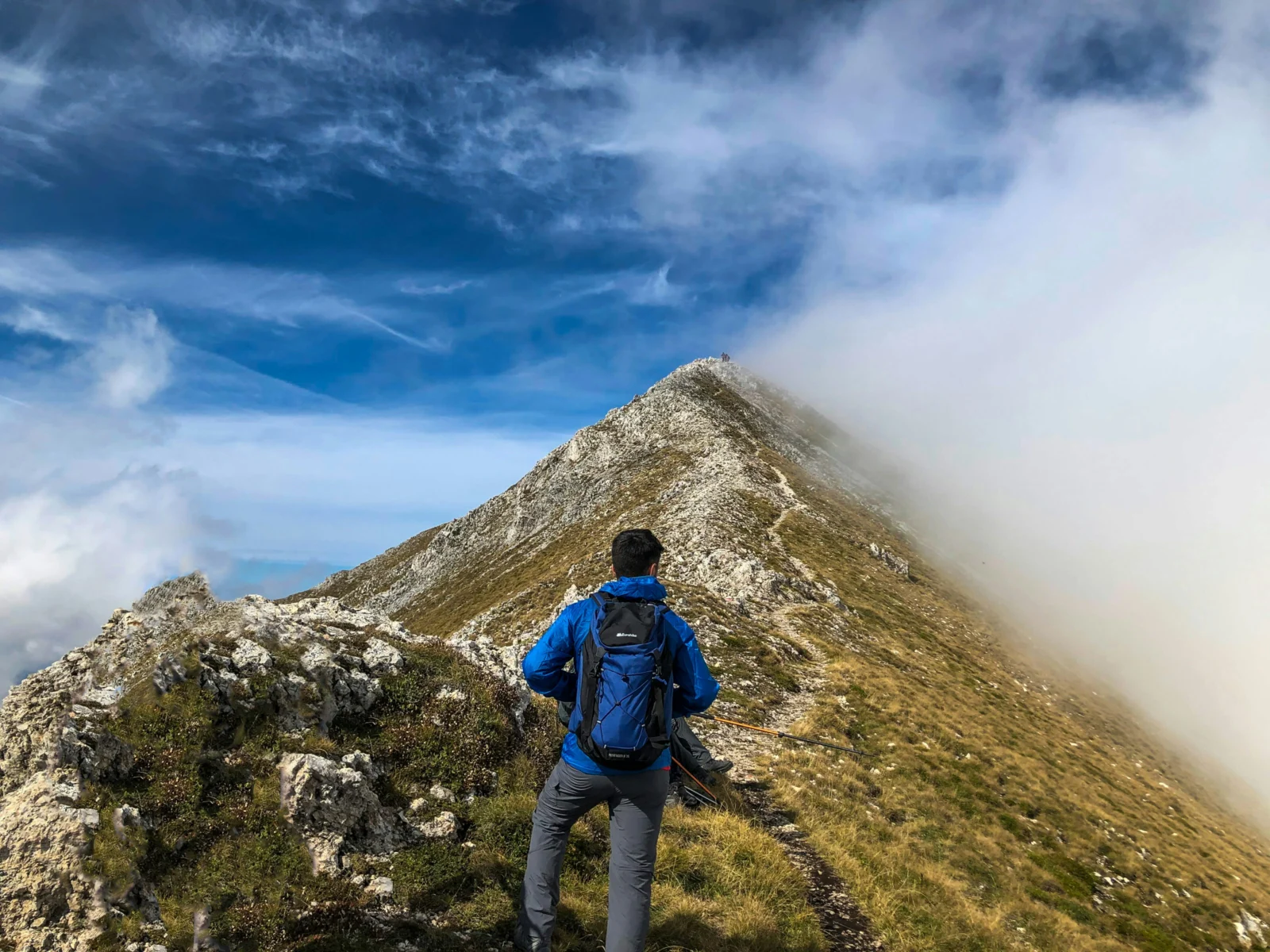
The first time I watched a backpacker pull a soaked Canon EOS R5 out of a dry bag in southern Peru, the look on his face said everything. The zipper had failed during a river crossing near Santa Teresa, and by the time we got to camp, condensation had crept into the lens mount and battery compartment. He thought his standard travel policy would cover it. It didn’t. The insurer called it “water exposure during adventure activity,” which sounds ridiculous until you realize how many DSLR camera insurance policies hide exclusions in the fine print.
The Moment Most Backpackers Realize Their DSLR Isn’t Really Protected
Here’s the thing. Most travelers assume their gear is covered because the word “baggage” appears somewhere in the policy summary. Fair enough. But baggage coverage and actual DSLR camera insurance are not the same thing.
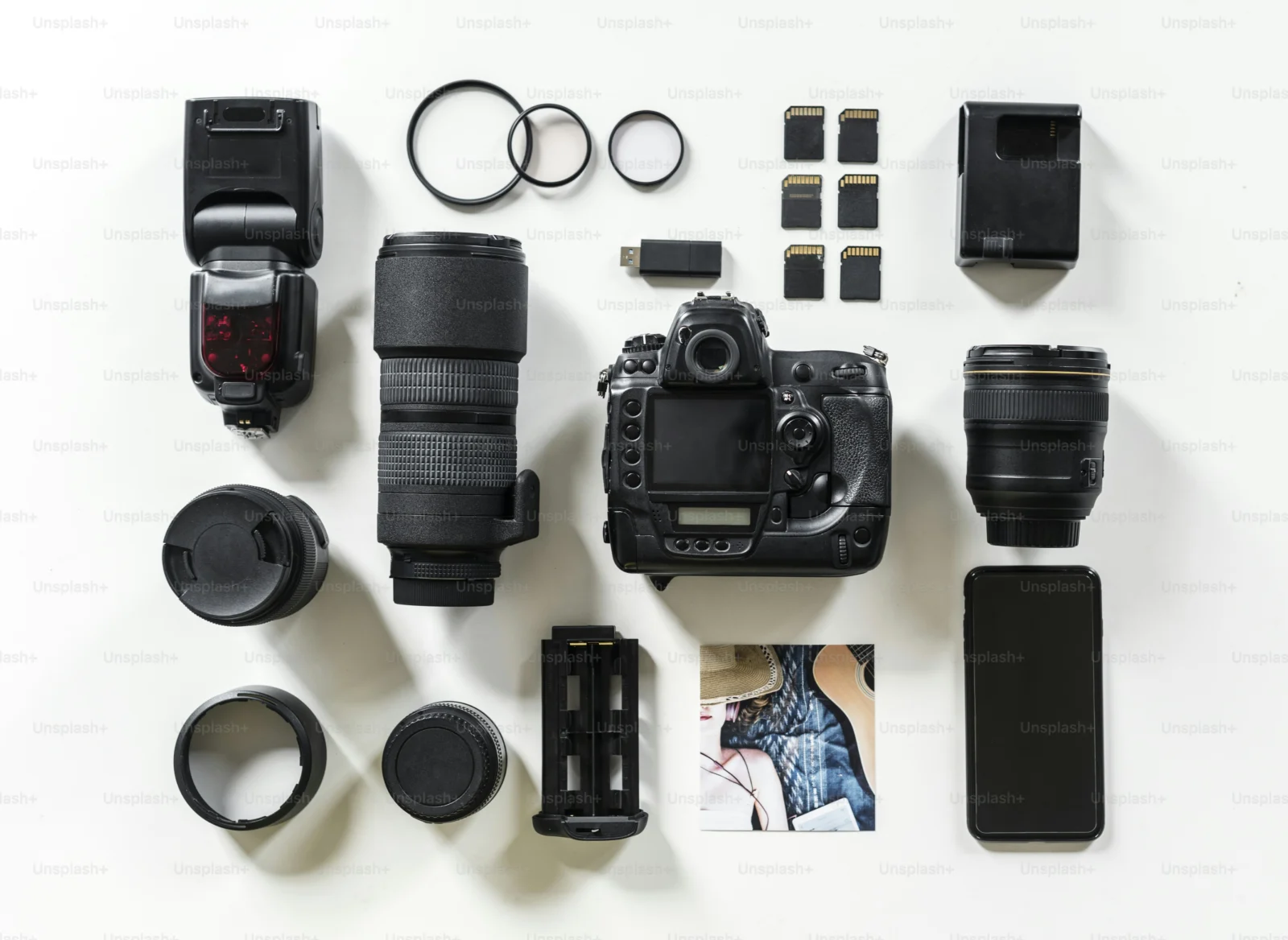
A lot of standard travel policies cap electronics at surprisingly low limits. I’ve seen policies that only reimburse $500 total for camera equipment even when the traveler carried a $3,200 Sony A7 IV setup with two lenses. And yeah, that matters more than you’d think when you’re halfway through a six-month trek.
According to a 2024 report from the U.S. Travel Insurance Association, electronics-related claims ranked among the fastest-growing categories in adventure travel coverage, especially involving theft and accidental water damage. Backpackers carrying DSLR gear are kind of a big deal for insurers now because replacement costs keep climbing.
What nobody tells you is that the real risk often isn’t theft. It’s the smaller stuff:
- A cracked LCD screen during a bus transfer
- Condensation damage at high altitude
- A lens knocked loose on a rocky trail
- Airline baggage mishandling
Nine times out of ten, those are the claims people actually file.
I remember chatting with a travel photographer in Cusco who wrapped his entire Nikon kit in grocery bags before every trek. Not fancy camera cubes. Grocery bags. Honestly? It looked ridiculous at first. Then a freezing rainstorm rolled through the Salkantay route, and his gear stayed dry while another traveler lost a lens to moisture damage. Been there? You start respecting weird packing habits real fast.
If you’re planning remote hikes or altitude-heavy routes, guides covering high-altitude travel insurance choices and Andes expedition coverage basics are worth reading before you even compare camera policies.
Why Standard Travel Insurance Usually Fails DSLR Owners
Okay, so here’s where things get interesting. Many backpackers buy one generic travel insurance policy and assume it handles everything from lost socks to damaged camera bodies. Real talk: insurers separate “personal belongings” from “specialized electronics” more often than people realize.
That distinction changes everything.
Some providers treat DSLR gear like jewelry or professional equipment, especially if the camera value crosses a certain threshold. Others exclude claims entirely if you’re hiking above a certain altitude or participating in “hazardous outdoor activity.” Sound familiar?
Policies tied to trekking routes, climbing expeditions, or remote hiking often require separate add-ons. That’s why resources about trekking-specific insurance policies and travel risk considerations for adventure travelers matter more than generic comparison lists.
Here’s the part most people miss: even a simple sunrise hike can trigger an exclusion if the insurer labels it “unsupported backcountry travel.” That wording is slippery. Think of it like airport baggage rules. One airline lets your backpack slide. Another suddenly measures every strap and zipper like it’s a NASA inspection.
The Tiny Policy Exclusions That Cost Travelers Thousands
Not gonna lie — the exclusions section is where good DSLR camera insurance separates itself from junk coverage.
I’ve reviewed policies where claims were denied because:
- The backpack was left “unattended” for under five minutes
- The hostel locker lacked visible forced entry
- The traveler used a third-party camera strap
- Rain damage happened during “extreme weather exposure”
That last one still makes me laugh a little because… you’re backpacking. Weather happens.
Some of the better providers specifically include accidental damage during hiking, trekking, or wilderness transit. That’s a huge difference. If you’re carrying expensive gear through routes discussed in remote hiking insurance resources, you need wording that matches how people actually travel — not how insurers imagine people travel.
What Counts as “Adventure Activity” in Insurance Language
Spoiler: sometimes way less than you’d think.
Certain insurers classify activities like volcano hikes, glacier walks, or even multi-day trekking as elevated risk. Once that happens, your backpacking camera protection may require upgraded coverage tiers.
Here are common triggers:
| Activity | Often Covered? | Usually Needs Add-On? |
|---|---|---|
| Day hiking on marked trails | Yes | Rarely |
| Multi-day trekking | Sometimes | Often |
| Climbing with ropes/harnesses | No | Usually |
| Drone filming during hikes | Rarely | Yes |
| High-altitude mountaineering | No | Definitely |
If you travel with both drones and DSLR gear, guides covering camera and drone insurance for adventure travel and international drone liability concerns become surprisingly relevant.
And honestly, insurers aren’t always wrong here. A backpacker carrying $8,000 worth of gear into wet jungle terrain is objectively a higher risk than someone photographing cafés in Lisbon.
What Good DSLR Camera Insurance Actually Covers on the Road
A solid DSLR camera insurance plan should feel less like generic baggage protection and more like a rescue system for expensive electronics. If you ask me, there are four coverage areas that actually matter.
Accidental Damage vs Theft vs Mysterious Loss
These sound similar. They are not.
Theft coverage usually requires proof of forced entry or police reports. Accidental damage handles drops, cracks, water exposure, and impact incidents. Mysterious loss is the wildcard category most backpackers ignore until it’s too late.
Example? You set your camera down during a chaotic overnight bus stop in Bolivia. Twenty minutes later, it’s gone. No witnesses. No broken lock. No clue.
Without mysterious loss coverage, that claim often dies instantly.
Here’s a quick breakdown:
| Coverage Type | What It Usually Covers | Worth Paying Extra? |
|---|---|---|
| Theft | Stolen camera with evidence | Yes |
| Accidental Damage | Drops, cracks, liquid exposure | Absolutely |
| Mysterious Loss | Missing gear with unclear circumstances | Usually |
| Mechanical Failure | Internal hardware breakdown | Sometimes |
Quick heads-up: many backpackers overpay for mechanical breakdown coverage while skipping accidental damage. That’s backwards. Camera bodies rarely fail on their own. They get smashed against rocks, bus rails, hostel bunks, and canoe floors.
How Gear Replacement Coverage Works in Remote Regions
Here’s where travel photography insurance gets tricky. Reimbursement timing matters almost as much as coverage itself.
Some insurers reimburse only after you return home. Others offer emergency replacement funds while you’re still traveling. Hands down, the second option is better for long-term backpackers.
Because let’s be honest here. What’s the point of protecting your gear if you lose half your trip waiting three months for reimbursement, right?
A traveler I met near Torres del Paine learned this the hard way after his Fujifilm XT-5 disappeared during a crowded border crossing. His insurer approved the claim eventually, but only after he got back to Canada. That meant six weeks without usable camera equipment during the best part of his trip.
Policies focused on travel electronics coverage and adventure camera insurance protection often move faster because they’re built specifically around gear replacement logistics.
There’s also the emotional side people rarely mention. Losing camera gear on a backpacking trip feels weirdly personal. Your photos are tied to memories, routes, weather, people, random roadside meals — the whole experience. Replacing a stolen lens isn’t like replacing a lost toothbrush. It’s more like losing pages from a travel journal you can’t rewrite.
Backpacking Camera Protection: What I’d Personally Never Skip Again
After years of reviewing claims from trekkers and outdoor creators, there’s one thing I’d never gamble on again: accidental water damage coverage.
No, seriously.
People obsess over theft because it sounds dramatic. But moisture is the quiet killer of DSLR setups. Condensation inside lenses. Wet backpacks during river crossings. Humidity in jungle lodges. Tiny leaks inside “waterproof” dry bags. That’s the stuff that wrecks gear more often than dramatic robberies.
And unlike theft, water damage tends to spread slowly. Think of it like rust under a car door. By the time you notice it, the problem’s already deep inside.
Travelers planning routes involving rainforests, glaciers, or unpredictable mountain storms should absolutely look into specialized resources covering outdoor photography insurance options and best DSLR camera insurance for backpackers.
The Patagonia Rainstorm That Changed How I Pack Camera Gear
A few years ago, I watched a filmmaker near El Chaltén pull out silica packets at every campsite like they were gold bars. At first, the whole ritual seemed excessive.
Then came the storm.
Wind-driven rain hit sideways for nearly seven hours. Everyone’s backpacks got soaked eventually. His gear survived because every camera cube had moisture absorbers packed between batteries and lenses. Another traveler’s Canon 5D developed fogging inside the viewfinder two days later.
Honestly? That part surprised even me.
Now I tell backpackers the same thing every time: good DSLR camera insurance matters, but prevention still buys you time, less stress, and fewer ugly claims calls from remote hostels with terrible Wi-Fi.
The Best DSLR Camera Insurance Providers for Backpackers Compared
Here’s where backpackers get overwhelmed fast. There are dozens of insurance providers promising “complete coverage,” but once you read the actual wording, only a handful make sense for long-term adventure travel.
And no, the most expensive option isn’t automatically the best one.
Some providers are excellent for short city breaks but terrible for multi-country trekking routes. Others handle wilderness claims surprisingly well but charge steep deductibles that make smaller claims almost pointless.
If you ask me, the smartest approach is matching the policy to your travel style — not chasing the biggest marketing promises.
| Provider Type | Best For | Weak Spot | My Take |
|---|---|---|---|
| Standard Travel Insurance | Casual travelers with basic gear | Low electronics limits | Good enough for small kits |
| Adventure Travel Insurers | Trekkers and expedition backpackers | Higher premiums | Totally worth it for remote routes |
| Dedicated Camera Insurance | Full-time creators and filmmakers | Limited medical/travel support | Best gear replacement coverage |
| Credit Card Coverage | Backup emergency protection | Strict exclusions | Treat as bonus coverage only |
Real talk: I’d pick specialized adventure coverage over cheap general travel insurance every single time for DSLR-heavy trips.
Why? Claims handling.
The better providers already understand that backpackers hike in storms, ride sketchy buses, store gear in hostel lockers, and cross muddy trails with expensive electronics strapped to their backs. You’re not constantly fighting to “prove” your trip was reasonable.
That’s why guides covering adventure camera and drone insurance and travel insurance photography equipment add-ons are low-key one of the best starting points for comparing real-world backpacking protection.
Best for Long-Term International Trips
For multi-month backpacking trips, flexibility matters more than flashy benefits.
Look for policies with:
- Worldwide coverage extensions
- Easy renewal while abroad
- High electronics reimbursement caps
- Fast remote claim submission
Okay, so here’s the trap people fall into: buying a 30-day policy for a six-month trip because it’s cheaper upfront. Then they try extending coverage mid-trip and suddenly lose pre-existing protection clauses or electronics riders.
Been there, done that.
Travelers heading into South America often pair camera protection with broader Andes trekking insurance plans because remote transport delays and altitude conditions can complicate equipment claims.
Best for High-Risk Adventure Travel
If your route includes glacier trekking, mountaineering, jungle expeditions, or technical climbs, standard DSLR camera insurance usually isn’t enough.
You need policies that explicitly include:
- High-altitude trekking
- Expedition activities
- Helicopter evacuation regions
- Remote-area recovery logistics
This matters a lot more than people think. A damaged camera on a city trip is annoying. A damaged camera during a remote mountain crossing can derail an entire content project or paid shoot.
Resources discussing mountaineering vs standard insurance differences and emergency evacuation coverage for expeditions explain why certain claims become way more complicated once rescue teams or remote transport enter the picture.
Best Budget-Friendly Travel Photography Insurance
Not everyone needs premium coverage. Fair enough.
If your setup is under roughly $2,000 total value, a mid-range travel photography insurance plan may be enough — especially if you mostly stay in hostels, buses, and established trekking routes.
But here’s my non-obvious take: cheap policies are usually fine until you actually need them.
It’s kind of like buying hiking boots with paper-thin soles. Everything feels great in the store. Then you hit wet rock after six hours of rain and suddenly the shortcut doesn’t feel so smart anymore.
The best budget-friendly plans usually include:
- Theft protection
- Accidental damage
- Decent electronics caps
- Online claims filing
That last one sounds small. It’s not. Filing a claim from a remote guesthouse with weak internet can already feel like arguing with a fax machine from 1997.
How to Choose DSLR Camera Insurance Without Overpaying
Let’s be honest here. Most backpackers either buy too much coverage or not nearly enough.
The sweet spot depends on one thing: replacement pain.
Ask yourself this: if your camera vanished tomorrow, could you realistically replace it without wrecking your entire travel budget?
If the answer is no, you probably need stronger DSLR camera insurance.
The 5 Questions You Should Ask Before Buying a Policy
Here’s the simple filter I recommend before every backpacking trip:
- Does the policy specifically mention DSLR or mirrorless cameras?
- Are trekking and hiking activities included?
- Is accidental water damage covered?
- Can claims be filed while abroad?
- What’s the maximum electronics reimbursement limit?
Quick heads-up: reimbursement limits matter more than total trip coverage.
A policy advertising “$100,000 travel protection” sounds impressive until you realize electronics are capped at $750. That’s barely enough for a mid-range lens now.
Another easy win? Check whether the insurer covers gear stored during transit. Overnight buses, airline transfers, trekking porters, and hostel storage rooms create a surprising number of claim disputes.
Travelers exploring routes like Machu Picchu should absolutely review insurance options for Inca Trail hikers and top travel insurance plans for Machu Picchu trekking, especially if carrying multiple lenses or drones.
How Deductibles Affect Real Backpacking Claims
A low premium with a massive deductible can quietly ruin the whole value of your DSLR camera insurance.
Example time.
Let’s say your lens repair costs $420. Sounds manageable. But if your deductible is $500, you get… nothing.
That’s why I usually recommend moderate deductibles for long-term backpackers. Not the cheapest. Not the highest. Think of it like seasoning food — a little saves money, too much ruins the whole dish.
Policies with deductibles between $100 and $250 tend to work best for most travel photography setups in my experience.
Travel Photography Insurance Add-Ons That Are Actually Worth It
Most insurance add-ons are totally skippable. No point pretending otherwise.
But a few are hands down worth considering if you backpack with expensive camera gear.
The first? Emergency replacement shipping.
A solid insurer can sometimes arrange expedited replacement gear delivery to major cities during long trips. That’s huge for creators shooting client work or documenting once-in-a-lifetime expeditions.
The second worthwhile add-on is search-and-rescue support tied to remote travel coverage. Not because your camera needs rescuing — because you might.
Backpackers exploring isolated regions often combine DSLR protection with broader backcountry emergency insurance or wilderness rescue coverage, especially during multi-day trekking routes.
Here’s a practical breakdown:
| Add-On | Worth It? | Why |
|---|---|---|
| Water Damage Protection | Yes | Most common gear issue |
| Drone Liability | Usually | Essential for drone creators |
| Rental Gear Coverage | Yes | Great for temporary replacements |
| Trip Cancellation | Sometimes | Depends on flight costs |
| Cosmetic Damage | No | Rarely worth the premium |
One add-on I wouldn’t skip for creators? Drone coverage.
Even casual travel filmmakers should understand drone liability insurance abroad and compare options like best drone insurance for adventure travelers. Drone regulations change constantly between countries, and damaged gear claims get messy fast.
Drone Coverage, Rental Gear, and Emergency Shipping Explained
Here’s where it gets interesting. Many backpackers assume rental gear automatically inherits their DSLR camera insurance coverage.
Not always.
Some policies exclude rented equipment entirely unless you buy a dedicated rider. Others cover rentals only if you report the equipment serial numbers ahead of time.
And yeah, that catches people off guard constantly.
If you rent lenses or backup bodies during expeditions, double-check the wording before departure. Otherwise, you might end up personally liable for thousands in damaged equipment fees.
What Nobody Tells You About Filing Camera Insurance Claims Abroad
Spoiler: speed matters more than perfection.
A lot of backpackers delay claims because they think they need every document immediately. Meanwhile, insurers mainly want fast reporting first. Details can often follow afterward.
That’s especially true in remote regions where police reports, repair quotes, or receipts may take days to collect.
I once helped a traveler in Ecuador file a preliminary theft report using hostel Wi-Fi so weak we had to upload photos one at a time. Painful? Absolutely. But filing early preserved the claim timeline.
Here’s what usually helps most:
- Photograph damaged gear immediately
- Save transport tickets and accommodation records
- Keep serial numbers offline
- File police reports within 24 hours whenever possible
Resources about how to file lost camera gear claims and travel electronics protection strategies can seriously reduce the panic when something actually goes wrong.
Real Backpacker Mistakes That Void DSLR Camera Insurance
Here’s the frustrating part about DSLR camera insurance: a lot of denied claims come from avoidable mistakes, not shady insurers.
Some of them feel unfair. Others are honestly understandable once you’ve seen enough claims reports.
And no, most travelers don’t realize they’ve broken a policy rule until after something disappears.
Leaving Gear in Buses, Hostels, and Trekking Camps
This is probably the biggest one.
A backpack under your seat during an overnight bus ride? Many insurers count that as unattended property if you fell asleep. Same goes for cameras left charging in shared hostel dorms.
Not gonna lie — that catches people constantly.
I remember a backpacker in northern Chile who lost two lenses during a transfer stop because he stored his daypack in the luggage compartment “just for an hour.” His insurer denied the claim because valuables were supposed to remain in personal possession during public transit.
Harsh? Maybe. Predictable? Definitely.
That’s why experienced trekkers combine DSLR camera insurance with smarter carrying habits:
- Cross-body camera straps during transit
- Lockable gear cubes inside backpacks
- Hidden AirTags or GPS trackers
- Offline copies of receipts and serial numbers
The travelers reading guides about remote hiking risks and search-and-rescue insurance for solo trekkers usually think ahead about gear protection too. The mindset overlaps more than people realize.
Posting Expensive Gear on Social Media Before a Theft
Okay, so this one sounds paranoid until you spend enough time around tourist hubs.
Publicly geotagging expensive DSLR setups can absolutely attract unwanted attention. Especially in crowded transit cities where theft targeting photographers is already common.
What nobody tells you is that thieves often watch backpacker hashtags near major trekking routes. A visible Canon RF lens lineup on Instagram Stories basically announces, “Hey, I’m carrying five grand of camera equipment through this neighborhood tomorrow.”
And yeah, that matters more than you’d think.
I’m not saying stop posting photos. Fair enough if documenting the journey is the whole point. But delaying uploads by even 24 hours is kind of an easy win for backpacking camera protection.
Is DSLR Camera Insurance Worth It for Budget Backpackers?
Short answer: usually yes. But the math changes depending on your setup.
If your entire camera kit costs less than your deductible plus premium combined, you may not need full DSLR camera insurance. At that point, careful packing and emergency savings might make more sense.
But once your gear crosses roughly $1,500 to $2,000 in replacement value, the risk equation shifts fast.
Here’s why.
Backpacking creates layers of exposure most travelers underestimate:
- Constant transit
- Shared accommodations
- Weather swings
- Dust and moisture
- Unpredictable terrain
- Long periods away from repair shops
Think of it like carrying a fragile laptop through a moving obstacle course for three months straight. Eventually, something usually happens.
According to the Camera & Imaging Products Association, advanced camera equipment prices have steadily climbed over the past decade, especially for weather-sealed mirrorless systems and pro-grade lenses. Replacing even one damaged lens now hurts way more than it did a few years ago.
That’s why travel creators increasingly combine DSLR camera insurance with broader protection plans like emergency medical evacuation insurance for hikers, international air ambulance coverage, and wilderness medical insurance options. The gear matters. But staying financially functional during a remote trip matters even more.
Real talk: the smartest backpackers don’t buy insurance because they expect disaster. They buy it because replacing a camera mid-trip without coverage can instantly kill the entire experience.
What Nobody Tells You About Weather and Electronics
Here’s where a lot of gear guides oversimplify things.
Weather-sealed cameras are not waterproof cameras.
There’s a huge difference.
A weather-sealed Sony, Nikon, or Canon body can survive light rain and dusty trails better than entry-level gear. But extended moisture exposure during multi-day trekking still causes problems. Especially once humidity sneaks into battery compartments, ports, or lenses.
Honestly, condensation is the sneaky villain here.
One filmmaker I met in Colombia stored his camera inside a dry bag immediately after cold mountain shooting. Sounds smart, right? Problem was, trapped moisture condensed overnight and fogged the internal lens elements anyway.
That’s why experienced travelers treat DSLR camera insurance like a backup parachute, not the main plan.
Here are a few habits that help more often than fancy accessories:
| Habit | Why It Helps |
|---|---|
| Let cameras warm gradually indoors | Reduces condensation |
| Carry silica packets | Absorbs trapped moisture |
| Use rain sleeves during trekking | Prevents sudden water exposure |
| Separate batteries from wet clothing | Avoids hidden moisture buildup |
Quick heads-up: if you’re heading into high-altitude regions, resources covering altitude sickness insurance coverage and adventure travel insurance needs in the Andes become surprisingly relevant because bad weather delays often increase gear exposure too.
The Overlooked Link Between Rescue Coverage and Camera Claims
Here’s a connection most backpackers never think about until things go sideways.
Search-and-rescue situations often involve lost or abandoned gear.
If a helicopter evacuation happens during a storm or medical emergency, there’s a decent chance your backpack — and camera setup — may not come with you immediately. That creates a messy overlap between medical evacuation coverage and DSLR camera insurance.
And yes, insurers sometimes treat those losses differently.
Travelers doing remote expeditions should seriously understand topics like:
- Helicopter rescue insurance costs
- Emergency evacuation protection
- National park rescue coverage requirements
Because if you ask me, protecting the photographer without protecting the gear recovery plan is only solving half the problem.
It’s kind of like buying a phone case but leaving the screen exposed.
Frequently Asked Questions
Does DSLR camera insurance cover stolen gear from hostels?
Sometimes, but this is where policy wording matters a lot. Many insurers require proof of forced entry or locked storage before approving theft claims from hostels. If your camera disappears from an unlocked dorm room, the claim may get denied fast. A small portable lock and documented storage setup can honestly make a huge difference.
Can I buy DSLR camera insurance after starting my backpacking trip?
Short answer: yes. But here’s the nuance. Some providers allow mid-trip coverage purchases, while others only cover future incidents after a waiting period of 24 to 72 hours. Nine times out of ten, buying before departure gives you stronger protection and fewer exclusions.
How much DSLR camera insurance do backpackers usually need?
A good rule is covering the full replacement cost of your gear, not the original purchase price. If your setup includes a camera body, two lenses, drone, and accessories, total everything honestly first. Many backpackers underestimate their equipment value by $1,000 or more once batteries, filters, tripods, and storage drives get added in.
Does travel photography insurance cover river crossings or rain damage?
Okay so this one depends on a few things. Some policies specifically exclude water exposure during adventure activities unless accidental damage riders are included. Others fully cover rain-related incidents if the gear was reasonably protected. Always check whether trekking, rafting, or expedition activities appear in the exclusions section before buying.
What’s the best deductible for DSLR camera insurance?
In my experience, deductibles between $100 and $250 work best for most backpackers. Lower deductibles raise premiums fast, while higher deductibles can make smaller claims pointless. If replacing a damaged lens would financially hurt, don’t choose a deductible that wipes out the reimbursement anyway.
Will insurance replace my gear while I’m still traveling?
Fair warning: the answer might surprise you. Some premium insurers offer emergency replacement shipping or temporary rental reimbursement during long trips, but many only pay after you return home. If you create content professionally or depend on your camera daily, this feature is totally worth checking before departure.
Is DSLR camera insurance worth it for older camera gear?
Honestly, it depends — but here’s how to tell. If replacing the camera tomorrow would seriously impact your travel budget, coverage probably still makes sense even for older gear. But if your setup is worth only a few hundred dollars total, careful packing and emergency savings may be the smarter move.